Smart Toilet Comfort: Auto Flush + Color Night Light

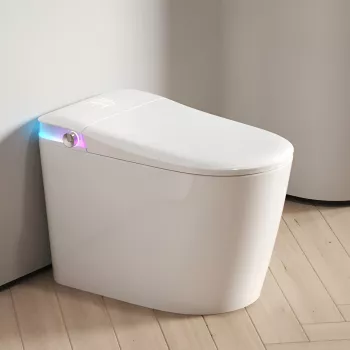
Intelligent Smart Toilet Comfort: Auto Sensor Flush and a Color Atmosphere Lamp
An intelligent smart toilet can make everyday routines feel noticeably easier: fewer touchpoints, fewer “did it flush?” moments, and a calmer bathroom at night thanks to soft, built-in lighting. If you’re comparing models or planning an upgrade, it helps to understand how an auto sensor flush typically behaves, what a color atmosphere lamp is best used for, and what your bathroom needs for a smooth installation and long-term reliability.
What makes a smart toilet feel different day to day
Smart toilets tend to stand out in small, repeated moments—the kind that add up over weeks and months.
- Hands-free routines: Auto sensor flush reduces contact with shared surfaces, which can be especially helpful in guest bathrooms or busy households.
- Comfort-forward experience: Many smart features aim for convenience and cleanliness, reducing little annoyances like reaching for buttons in the dark.
- Ambient lighting: A built-in color atmosphere lamp can act like a night guide, so you can keep overhead lights off during late-night visits.
- Modern aesthetics: Integrated designs often look cleaner than add-on bidet attachments and plug-in night lights, with fewer visible parts to wipe around.
Auto sensor flush: how it works and what to look for
An auto sensor flush system generally relies on presence detection: it “knows” someone has used the toilet and triggers a flush after they leave. Performance varies by sensor quality, bathroom layout, and lighting conditions, so it’s worth checking a few practical details before purchasing.
- Presence detection: Better sensing reduces missed flushes and helps the toilet react consistently when a user stands up and exits.
- Manual override: A backup flush option is important for power interruptions or troubleshooting—especially if the sensor doesn’t behave as expected on day one.
- Anti-misfire behavior: Well-tuned systems reduce accidental flushes caused by quick movement, reflections, or pets passing by.
- Water use: Look for strong, consistent flushing that also aligns with local efficiency expectations and regulations. For general guidance on water-efficient toilets, see EPA WaterSense — Toilets.
Auto sensor flush checklist
| Item to confirm | Why it matters | Quick note |
|---|---|---|
| Reliable user detection | Reduces false flushes and missed flushes | Look for stable sensing in typical bathroom lighting |
| Manual flush option | Ensures usability during outages or troubleshooting | Button/knob or emergency flush method |
| Easy access to service areas | Simplifies maintenance | Panel access for sensor/power connections |
| Consistent flush performance | Prevents clogs and double-flushing | Pair performance with proper drain/venting |
Color atmosphere lamp: comfort, safety, and placement
A color atmosphere lamp isn’t just decorative—its most practical value is nighttime visibility without harsh glare. Instead of flipping on bright overhead lights (which can feel jarring and disrupt sleep), a soft lamp can provide just enough guidance to move safely.
- Nighttime visibility: Helps reduce trips and glare during late-night bathroom visits.
- Color and brightness control: Useful for setting a calm mood or choosing a lower-impact light at night.
- Placement matters: The best lighting gently illuminates the bowl area without shining directly into your eyes when seated.
- Cleaning and durability: Lamp covers should be easy to wipe and resistant to humidity so they stay clear and bright over time.
Key features to evaluate before buying
Beyond the headline features, a smart toilet’s “fit” is often decided by a handful of practical considerations that affect daily satisfaction.
- Power requirements: Confirm voltage, plug type, and whether a dedicated GFCI outlet is needed near the toilet. Bathrooms commonly require GFCI protection due to moisture exposure.
- Fit and rough-in: Measure the rough-in distance and surrounding clearances to avoid installation surprises.
- Noise and nighttime behavior: Check whether beeps, lighting, and flush timing can be adjusted for quiet hours.
- Hygiene-friendly surfaces: Smoother, easy-to-clean surfaces reduce buildup around seams and edges.
- Support and parts: Replacement parts availability matters for long-term ownership, especially for sensor components and lighting modules.
If accessibility and clearances are a priority, reviewing the general fixture guidance in the ADA Accessibility Guidelines (2010) — Toilet Rooms and Fixtures can help you plan a layout that feels comfortable and usable.
Installation basics and bathroom readiness
Installing a smart toilet is usually straightforward when the bathroom is already “ready” for it—proper rough-in, a healthy shutoff valve, and safe electrical access.
Care, cleaning, and troubleshooting habits that help
Is this model a good fit for your home
In-stock options
- Intelligent Smart Toilet with Auto Sensor Flush and Color Atmosphere Lamp — $2617.65
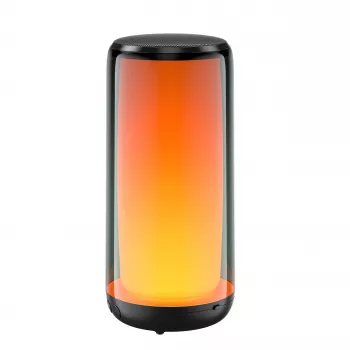
- 30W Portable Power Bank for Apple Devices — $43.51 (useful for keeping phones powered during longer outages while troubleshooting smart-home essentials)
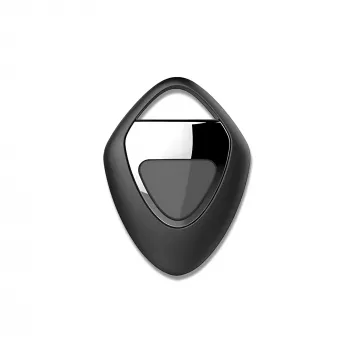
- USB Type C Wireless Magnetic Charger for Apple Watch Ultra 9 8 7 6 5 Fast Charge — $3.01 (handy for overnight charging so wearable alarms and timers stay reliable)
FAQ
Does the auto sensor flush work if the power goes out?
Many auto sensor flush systems rely on electricity for detection, so automatic flushing may pause during an outage. Check for a manual flush override or emergency method, and once power returns, test both sensor and manual functions to confirm normal operation.
Can the color atmosphere lamp be turned off at night?
Many systems allow the lamp to be turned off or adjusted for brightness and color. Verify the available controls and whether your preferred setting stays saved after power cycling.
What measurements are most important before installing a smart toilet?
Focus on the rough-in distance, bowl-to-wall clearance, door swing clearance, and proximity to a GFCI-protected outlet. Measuring your current toilet setup and the surrounding space helps avoid fit and comfort issues.




Leave a comment