800W Stainless Sugarcane Juicer: 3 vs 4 Rollers

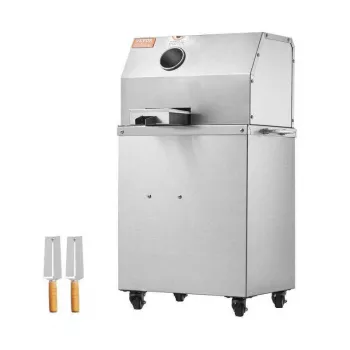
Electric Sugar Cane Juicer 800W Stainless Steel Machine with 3/4 Rollers
Fresh sugarcane juice depends on steady feeding, strong pressing force, and surfaces that are easy to rinse clean. An electric stainless steel juicer with multi-roller extraction is designed for faster service in cafés, juice bars, kiosks, and busy home setups where hand-cranking is too slow. If your goal is smoother workflow during rushes—without sacrificing sanitation and durability—this style of machine is built for the job.
What this machine is built to do
A commercial-style sugarcane juicer focuses on repeatable extraction: feed cane consistently, compress it with powered rollers, and keep the machine easy to reset for the next order. The Electric Sugar Cane Juicer 800W Stainless Steel Machine with 3/4 Rollers is designed to:
- Turn whole sugarcane stalks into juice efficiently using powered rollers rather than manual pressure.
- Support repeat batches with an 800W motor aimed at continuous use during service hours.
- Use stainless steel contact surfaces for durability, corrosion resistance, and easier wipe-down after pressing.
- Offer a choice of 3-roller or 4-roller style extraction to match throughput needs.
3 rollers vs 4 rollers: what changes in practice
Roller count mainly changes how many compression stages the cane experiences before it exits the machine. More compression stages can improve yield and leave drier bagasse (spent cane), which matters when you’re processing many stalks back-to-back. That said, real-world results still depend on cane condition (freshness and thickness) and operator feeding technique.
| Feature | 3 Rollers | 4 Rollers |
|---|---|---|
| Pressing stages | Fewer compression passes | More compression passes |
| Typical outcome | Fast extraction with solid yield | Potentially higher yield and drier bagasse |
| Best fit | Moderate volume counters, events | Busy kiosks and continuous service |
| Operator workflow | May benefit from occasional re-feed for max yield | Often reduces the need to re-feed |
If you’re balancing speed with good yield at moderate volume, a 3-roller setup is often a practical choice. If your line stays steady for long stretches, the extra pressing stage in a 4-roller design can reduce re-feeding and help keep output consistent.
Stainless steel construction: durability and cleanup
Sugar is sticky, and once it dries, it becomes harder to remove. Stainless steel construction helps in three ways: it resists corrosion, it holds up to frequent washdowns, and it reduces staining from syrup residue compared with painted or mixed-material housings. A rigid metal body also supports stable roller alignment, which helps maintain consistent pressing from the first stalk to the last.
Even with stainless steel, cleanliness comes down to routine. Food-contact surfaces should be washed and sanitized promptly after each service block, especially if juice is being served ready-to-drink. General guidance on safe cleaning and holding practices is outlined in the FDA Food Code, and the basics of keeping beverages safe are reinforced by the CDC’s “Clean, Separate, Cook, Chill” approach (CDC food safety guidance).
Power and performance: what 800W means for service
An 800W motor is about keeping torque steadier when cane is fibrous, slightly thicker than average, or fed in rapid succession. Stable torque reduces stalls and helps operators avoid “force-feeding,” which can increase binding and create inconsistent extraction.
- Steadier pull-through helps keep serving speed predictable during rush periods.
- Consistent power reduces strain on rollers and guides caused by sudden stalls.
- Cleaner rollers lower drag, letting the motor work efficiently rather than fighting residue buildup.
For longevity, avoid overloading, don’t feed severely oversized stalks, and keep the pressing area clean so friction doesn’t climb over time.
Setup tips for better juice quality and higher yield
Small prep habits can improve both taste and yield while keeping service moving.
- Trim and inspect cane: Cut ends square and remove excessively dry outer sections when possible so rollers can grip consistently.
- Feed straight and steady: Keep stalks aligned to reduce twisting forces that can stress rollers and reduce extraction efficiency.
- Strain and chill: Fine fibers are normal; straining improves mouthfeel, and rapid chilling helps preserve flavor.
- Decide on a second pass: A re-feed can boost yield, but it slows service—save it for times when demand is lower or when you need maximum extraction.
Cleaning and maintenance routine
A good routine prevents sugar crystallization and keeps roller traction consistent from day to day.
Safety and operating practices
For broader guidance on guarding and safe interaction with moving machine parts, review OSHA’s overview of machine guarding concepts (OSHA Machine Guarding eTool).
Who this juicer fits best
In-stock picks
- Electric Sugar Cane Juicer 800W Stainless Steel Machine with 3/4 Rollers — built for powered extraction and repeat service.
- 30W Portable Power Bank for Apple Devices — useful for keeping phones or tablets charged at kiosks and pop-up counters.
FAQ
Is a 4-roller sugarcane juicer better than a 3-roller model?
A 4-roller design typically adds an extra pressing stage, which can increase extraction and reduce how often you need to re-feed cane. A 3-roller model can still deliver strong results for moderate volume, so the better choice depends on your daily throughput and speed needs.
How should a stainless steel sugarcane juicer be cleaned after use?
Unplug the machine, rinse immediately, and wipe the roller area to remove fibers and syrup residue. Then wash and sanitize food-contact surfaces and dry thoroughly to prevent buildup and reduce friction during the next shift.
Why does sugarcane juice sometimes come out foamy or with fibers?
Foam and fine fibers are common during pressing, especially with fresh cane. Straining the juice, feeding cane evenly, keeping rollers clean, and chilling quickly can improve texture; dirty or worn roller surfaces can also increase shredding.




Leave a comment